
In emergency medical services (EMS), every second matters. Quick response, accurate dispatching, and well-organized scheduling can make a big difference in saving lives. Managing these tasks manually or with outdated systems often leads to delays, confusion, and inefficiency. This is where modern EMS software plays an important role. It helps EMS organizations manage their daily operations in a more organized, faster, and reliable way. By improving dispatch and scheduling processes, EMS teams can focus more on patient care and less on administrative challenges.
Improving Dispatch Efficiency with EMS Software
One of the most important benefits of EMS software is its ability to improve dispatch efficiency. In emergency situations, dispatchers need to quickly identify the nearest available ambulance and send it to the scene. EMS software automates much of this process by providing real-time data on vehicle locations, crew availability, and incident details.
Instead of relying on phone calls or manual tracking, dispatchers can use a centralized system that shows all necessary information in one place. This reduces the time needed to make decisions and ensures that the right resources are sent immediately. As a result, response times are reduced, and patients receive faster medical attention.
Smarter Scheduling for Better Resource Management
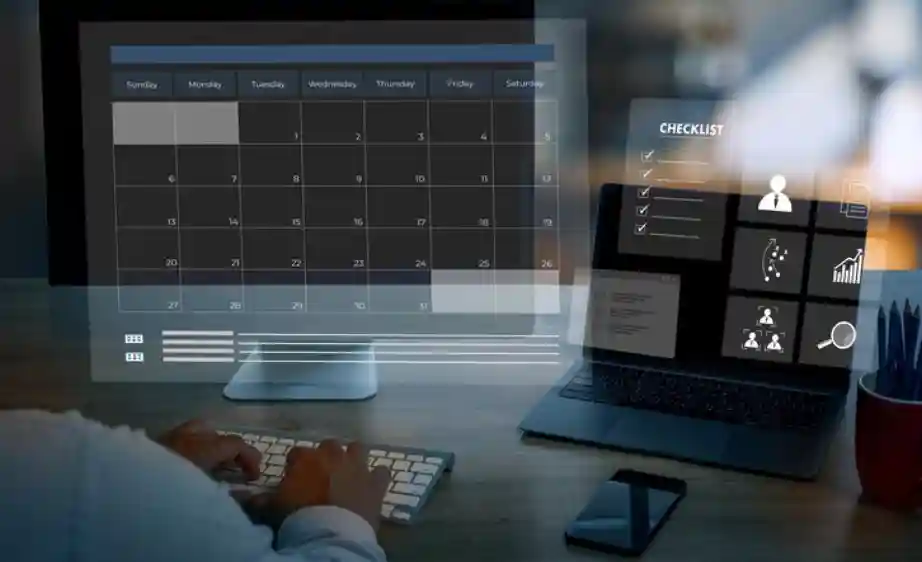
Scheduling EMS staff and vehicles can be a complex task, especially in busy organizations with multiple shifts. EMS software simplifies this by offering smart scheduling tools that help managers assign shifts based on availability, skills, and workload balance.
With better scheduling, EMS organizations can avoid problems like staff shortages or overworked employees. It also ensures that every shift is properly covered with qualified personnel. Automated scheduling reduces the risk of human error and helps managers plan ahead more effectively. This leads to smoother daily operations and improved team performance.
Real-Time Communication and Coordination
Clear communication is essential in emergency medical services. EMS software improves coordination by enabling real-time communication between dispatchers, drivers, and medical teams. Instead of relying on separate communication channels, everyone stays connected through a single system.
This allows updates to be shared instantly, such as changes in patient condition, traffic delays, or route adjustments. With real-time coordination, teams can respond more effectively to emergencies and adapt quickly to changing situations. This level of communication helps reduce confusion and ensures that everyone involved is on the same page.
Reducing Errors and Improving Response Time
Human error is always a risk in fast-paced environments like EMS operations. Manual scheduling and dispatching can lead to mistakes such as sending the wrong unit or double-booking staff. EMS software helps reduce these errors by automating key processes and providing accurate data.
By minimizing mistakes, EMS organizations can operate more smoothly and efficiently. Faster access to information also improves response times, which is critical in emergency situations. When dispatchers and medical teams can trust the system they are using, they can focus more on delivering quality care rather than fixing operational issues.
Conclusion
In today’s fast-moving world, efficiency in emergency medical services is more important than ever. EMS software plays a vital role in streamlining dispatch and scheduling processes, helping organizations respond faster and operate more effectively. It improves coordination, reduces errors, and ensures better use of resources. By adopting modern digital solutions, EMS organizations can enhance their overall performance and provide better care to the communities they serve.