

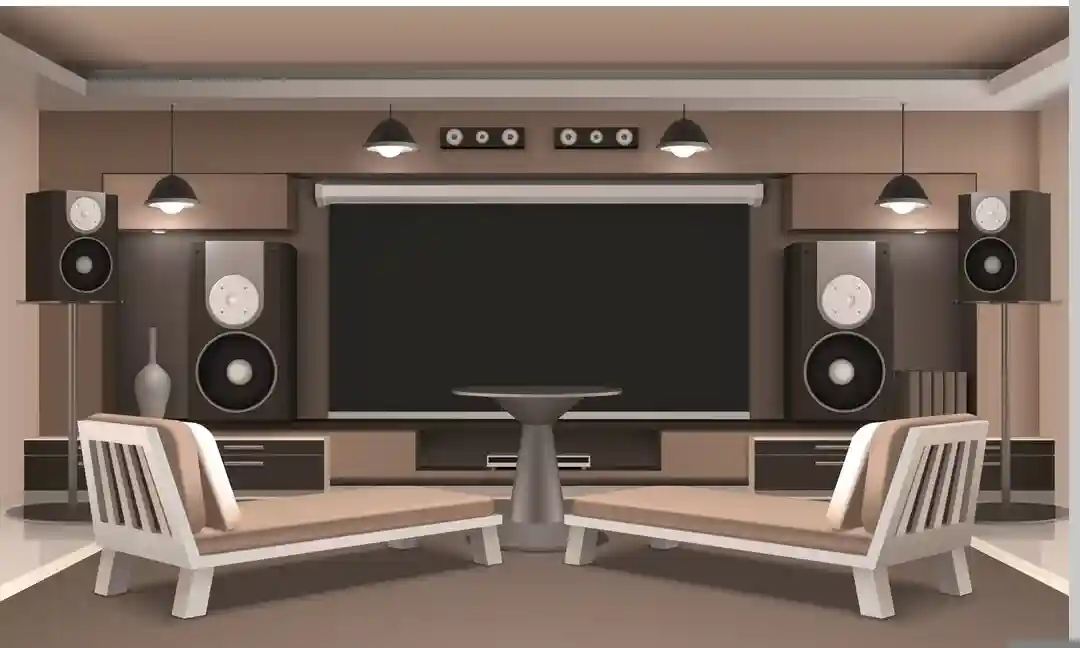
A cinematic experience at home feels attractive. Yet the quality of that experience depends on careful choices made before installation. A well-planned entertainment setup requires thoughtful evaluation.
A properly selected home theater system turns everyday viewing into something memorable. The following 5 considerations help ensure that your investment delivers performance, comfort, and long-term satisfaction. Read on.
Understanding Room Size and Acoustic Environment
Every room shapes sound differently. Large open living rooms allow audio to travel freely. Smaller enclosed spaces contain sound more tightly. Ceiling height, wall materials, flooring type, and furniture placement all influence acoustic performance.
Before selecting a speaker or other theater equipment, measure the dimensions of your space. A compact room does not require oversized floor-standing units that overpower the area. Likewise, a large entertainment room may demand better output to fill the space evenly.
Hard surfaces such as tile floors and bare walls reflect sound waves. This reflection can create echo or distortion. Soft materials like carpets, curtains, and upholstered furniture absorb sound and reduce harshness. A balanced environment improves comfort.
Choosing the Right Audio System
The audio system determines how sound surrounds you. A basic setup delivers left and right audio. It works for simple television viewing. However, a remarkable cinema experience demands more than that.
A 5.1 configuration includes front left, front right, center channel, two surround channels, and a subwoofer. This arrangement distributes dialogue, background music, and effects across the room. The center channel handles most dialogue, keeping voices clear and focused.
Sound placement should feel natural. Effects should move smoothly from front to back. Voices should remain stable at the center. Balanced systems enhance comfort during long viewing sessions. A thoughtful arrangement turns entertainment into an experience.
Evaluating Power and Performance Specifications
Technical specifications may appear complex, but understanding key elements helps you make confident decisions about your home theater system. Power output, sensitivity ratings, and receiver compatibility directly affect performance.
Power output, measured in watts, determines how loudly audio can play without distortion. Higher wattage suits larger rooms. Sensitivity ratings indicate how effectively a speaker converts power into sound.
Audio format compatibility also plays an important role. Ensure the system supports modern surround sound formats used by streaming services and Bluetooth players. Compatibility guarantees full use of available features.
Balancing Budget with Long-Term Quality
Cost influences every purchase decision. Yet choosing solely based on the lowest price leads to regret. Cheap materials may degrade quickly. Sound clarity may diminish over time. Replacing low-quality equipment costs more in the long run.
Define your budget clearly before shopping. Allocate funds proportionally. Avoid spending heavily on one component while neglecting others. Balanced investment produces balanced sound.
Build quality affects longevity. Cabinets constructed from dense materials reduce vibration and improve audio clarity. Durable internal components resist wear from regular use.
Planning Placement and Wiring
Even the best equipment underperforms if placed incorrectly. Positioning determines sound direction, clarity, and aesthetics.
Front left and right channels should align with ear level when seated. The center channel should sit directly below or above the screen. Surround channels should sit slightly behind the listening position for a realistic feel.